


By Ali Alrahbe, Technology Strategist at SIG
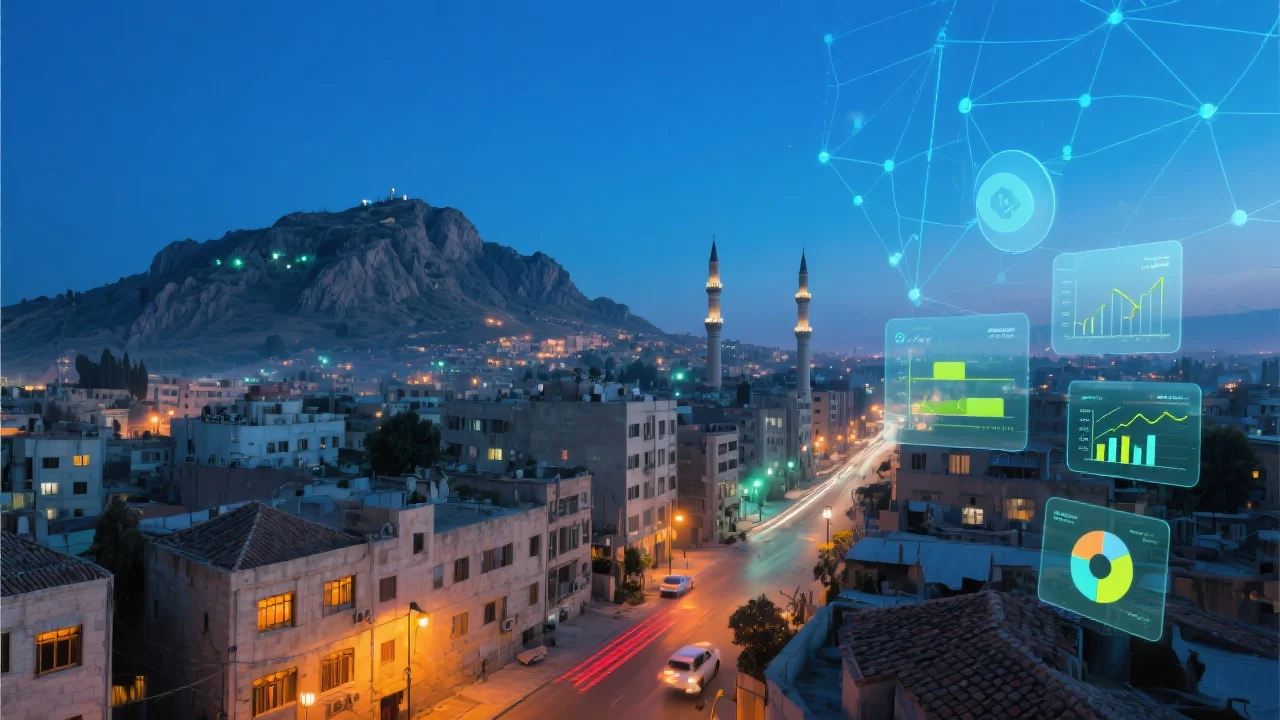
Today, Alphabet’s Google re-enabled its advertising services in Syria. Syria is now targetable again across Google Ads and related ad platforms, following an update to Google’s country restrictions that no longer lists Syria among OFAC-embargoed territories. This change is reflected in Google’s official policy page and industry reporting, and it means advertisers and publishers in Syria can come back online within Google’s ad ecosystem after more than a decade of restrictions (Google Ads Help; PPC Land).
What exactly changed
Advertisers can again target Syria in Google Ads, and publishers can pursue monetization via Google’s ad stack, subject to standard verification and policy compliance. Google’s documentation notes that restoration may require account reviews and KYC checks for businesses that were previously suspended due to geographic restrictions, and rollouts can be staged as systems update (PPC Land). The current Google Ads embargo list now excludes Syria, confirming eligibility for location targeting and account access (Google Ads Help).
Two important caveats: individual and entity-level sanctions still apply (SDN lists and other regulatory checks remain in force), and availability of non-ads Google services (like certain Play or commerce features) may have separate policies and timelines. Plan accordingly.
Why this matters for Syrian businesses
This unlocks measurable demand generation and monetization at a time when reach, attribution, and unit economics matter.
- Customer acquisition: Search, YouTube, and Display give Syrian businesses trackable channels to acquire customers, test offers, and optimize spend with real conversion data rather than relying on opaque intermediaries. Expect early-mover CPM/CPC advantages while competition is light.
- Publisher revenue: Local news sites, apps, and niche content can reintroduce Ad Manager/AdX partnerships and build sustainable revenue streams, provided they meet policy and brand safety standards.
- Go-to-market acceleration: SMEs and startups can stand up full-funnel campaigns, from local radius targeting for brick-and-mortar to Performance Max for ecommerce, with proper tracking and creative iteration.
- Diaspora reach: Brands inside Syria can efficiently reach Syrian diaspora audiences for exports, remittances-linked services, education, telehealth, and hospitality—tying domestic supply to international demand.
- Talent and ecosystem growth: Performance marketing, analytics, and creative skills see a new premium, catalyzing agency formation and ecosystem jobs.
Sector outlook: where I’d lean in first
Retail and ecommerce can leverage Search + Shopping (where available) for bottom-funnel intent, while quick-service food and convenience retail benefit from local inventory and location extensions. Education and digital skills programs can scale high-intent lead gen on Search and YouTube. Fintech and payments should start with education and trust-building content, then move into performance only after resolving compliance and partner rails. Travel, hospitality, and intercity transport can test seasonal YouTube reach with retargeting follow-through. B2B services should balance thought leadership with precise Search capture in Arabic and English.
How international investors can leverage this step from Alphabet
- Enter with data, not guesswork: Treat Syria as an emerging performance market. Run test budgets with tight targeting and clear conversion actions to build a live demand curve before deploying significant capital.
- Back local operators and infra-light models: Partner with or seed local teams who know logistics, payments, and content norms. Focus on asset-light businesses that can scale with digital demand rather than heavy capex up front.
- Monetize diaspora bridges: Fund plays that connect domestic supply to regional and diaspora demand—cross-border ecommerce, education, telehealth, travel—using Google Ads and YouTube to validate and scale.
- Consolidate publisher networks: Support roll-ups or alliances of quality local publishers to improve yield, brand safety, and direct deals layered on top of Google demand.
- Build durable compliance muscle: Sanctions have shifted, but SDN checks, AML/KYC, and platform policies persist. Investors who underwrite compliance from day one will outlast those who chase short-term arbitrage.
Practical playbook for the next 90 days
- Company setup and verification: Prepare corporate docs, beneficial ownership, tax info, and billing that match Google’s verification flow. If an old account was flagged, plan for a formal appeal/review. Keep everything under one clean manager account with a separate sub-account for Syria.
- Measurement before media: Implement first-party tracking (server-side where feasible), consent banners, and conversion tagging. Define one primary conversion per campaign to train bidding systems fast.
- Arabic-first creative: Write Search ads and landing pages in Modern Standard Arabic with localized terminology. Use English variants only where the audience expects it (B2B, tech, expats).
- Start small, learn fast: Launch controlled tests on Search (exact/phrase match for high-intent queries) and YouTube in-stream for reach. Optimize for one clear action: lead, purchase, or WhatsApp click-to-chat.
- Mobile-first UX: Assume unstable connections and older devices. Lean on lightweight pages, compressed images, simple forms, and clear CTAs.
- Brand safety: Exclude sensitive placements, use inventory filters, and monitor placement reports daily in the first weeks. For publishers, enforce content standards and viewability improvements to attract premium demand.
6–12 month roadmap
- Scale with Performance Max and YouTube shorts, adding creative variety and feed quality to lift ROAS.
- Build first-party audiences and CRM loops to protect performance as competition grows.
- Expand payment options and cash-on-delivery workflows if card rails lag.
- Explore regional hubs (e.g., Türkiye, Jordan, UAE) for cross-border fulfillment, and consolidate learning across markets.
- For publishers, add direct-sold packages and branded content once programmatic stabilizes.

No comment